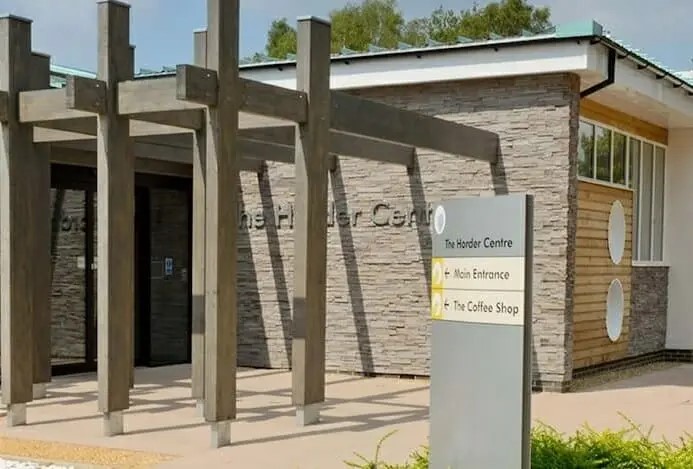
About Lisa
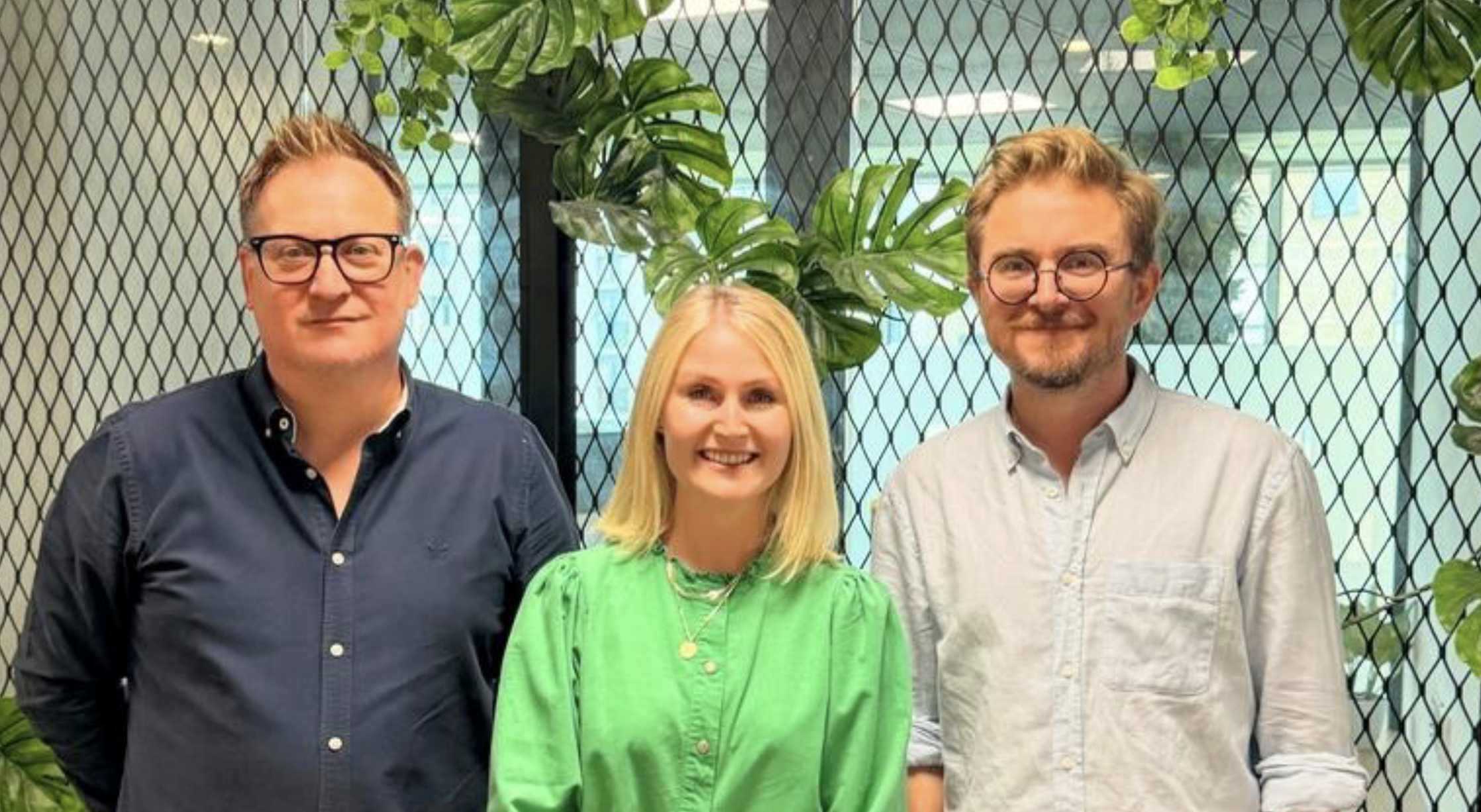
I live in Nottingham with my husband Phil and our two girls, Pearl and Ruby. My disabled mother also lives with us and requires constant care, so I have a deep understanding of the patient–perspective as well.
“I think the first challenge is understanding how the NHS Trust you are working with operates.
“On one side, you have consultants and clinicians who need to define what they need in order to deliver the highest quality medical and safety outcomes. Each has their own ways of doing things that need to be respected as you introduce technology.
“Then you have the reality of how each specialist area of medicine or ward actually functions. What technology will genuinely help nurses? What will enhance their day-to-day work? What will they readily adopt and what will be seen as a step too far?
“Finally, you have the patient experience – considering how technology can improve a patient’s stay in hospital, whilst enhancing safety and supporting recovery.
“The other side of the coin is estates management. Most estate managers in the NHS are juggling with having to maintain legacy systems alongside newer digitised systems, leading to a complex mixed estate from a management perspective, but also requiring a new skill set from its workforce.
“An NHP facility is an opportunity to start with a blank sheet and that is a different challenge altogether, involving architects, contractors and infrastructure providers. Aiming at Net Zero operation, more efficient use of energy and lighting, better use of resources and higher level of control all requires a fresh vision, which needs to integrate with the clinical needs above.
“So, in answer to the question, the biggest challenge from a technology perspective is getting the right technology, from the initial network all the way through to the end-point functionality, that will create positive outcomes for all these stakeholder groups.”
“Working for the Nottingham University Hospitals (NUH) NHS Trust, I was able to spend a lot of time on their rehabilitation wards, talking to patients and staff to understand what would improve health outcomes, workflows, and the working environment.
“That gave us a kind of wish list. I then accessed funding through Cisco’s Country Digitisation Acceleration (CDA), to test technological solutions in small proof of concept areas. We then partnered with Nottingham Trent University, and the University of Plymouth to a carry out an academic evaluation, so that we could look at potential return on investment through improved efficiencies, and impact on length of stay. Not just for the NRC, but with the view to deploy elsewhere in the Trust.”
“As Digital Lead I worked on all aspects, from the network and infrastructure to the innovations that could enhance working practices and the efficiency of the building. A few examples come to mind:
“For fall prevention, we piloted detection sensors, which use AI to alert staff when a patient who should not be out of bed shows intent to move. That sends an alert to a staff member, which gives them the opportunity to get there before they fall, preventing a potentially catastrophic injury before it happens.
“Another example is real-time location service (RTLS) technology. One feedback from nursing and clinical staff was how much time was lost looking for a specific piece of equipment. Tagging equipment with RTLS technology was an instant win.
“The natural extension was then to extend RTLS to staff lanyards with emergency buttons to signal when urgent support was needed by staff under duress or when assistance was needed for patient care. This would enable colleagues to rush to help anyone in trouble, with an exact location sent directly to staff phones.
“This technology could also be issued for staff to locate one another, to find the nurse with the keys to the drugs cabinet for example. Patients could also wear a wristband version, enabling staff to find patients to keep them on track with their rehab appointments and medicine schedule. It also included a safety feature for patients who need to be under supervision. If they exited a defined geofenced area, an emergency alert would go to staff to find them before they could come to any harm.
“None of this was easy to implement because staff were reluctant to adopt tracking technology with concerns it could be misused in a ‘Big Brother’ type capacity. We listened to their concerns and assured them that the system only provided a snapshot in time – not continual tracking. The solution was to introduce RTLS in stages. Equipment first. Emergency support second. Staff locator third. Once everyone saw the overwhelming benefits and understood the protections, they embraced the new technology and started to explore other potential uses such as patient-staff contact time.”
“I think the number one priority is getting the digital infrastructure right. I’m not just saying that because I’ve joined Ideal, the UK’s leading company in Smart Building infrastructure – more I’ve joined Ideal because I think it’s the most important part of the puzzle.
“As a digital team, we were probably involved in the NRC a little late down the line. I think there’s a traditional view that IT is something that you stick on afterwards, when actually, you need to have the infrastructure in place from the get-go.
“I think that’s the biggest message. Get the infrastructure right, make sure you’ve got the right sized hub rooms, the right switches, capacity for conduits, data points, a detailed Wi-Fi plan – all future-proofed so it will be relevant when you’re eventually handing over to the clinical staff many years later. That way, you don’t have to go into a brand new building and start making holes or wondering how you’re going to control the environment at a local level. It’s all there and it’s fully adaptable.
“I think the second level of advice is around stakeholder engagement and digital trials. You need to work with staff to understand what their pain points are and then look at digital solutions that will address it, rather than just saying “Here’s new technology that can improve your life” and hoping they will adopt it.
“Proof of concepts (POCs) take time. Typically, when you deploy new technology, a Trust needs to assess clinical safety, risk infections, cyber security, data protection, privacy – all of which can be laborious processes. What you need is a POC approval process that shortcuts some of that because of the limited scale involved.
“It’s then important to engage with suppliers in product development, so that by the time you go to procurement, you have a really strong list of requirements: we need the system to do this; it needs to be facilitated like this; and it needs to integrate with that.
“In the next wave of NHP, collaboration will be key. If we can test and evaluate one technology in one Trust, another in a second and then share results for best practice, that could speed everything up dramatically.
“Thirdly, there is a big issue around contract responsibilities. For example, does the network and digital infrastructure specification and deployment rest with the Trust or the Primary Contractor?
“There are pros and cons for both approaches, depending on the experience and technical knowledge resting with the individual parties. As long as the network provider understands the design and construction requirements and takes time to understand the clinical and user requirements, they should be able deliver the digital foundation a Smart Hospital needs, either directly or through the contractor.”
“Generally, I’m very impressed with what Ideal already does. I took the 150 Holborn tour long before I even thought about joining and it made a lasting impression. (Anyone from a healthcare background who wants to see how a Smart Hospital could work, I’d recommend booking a tour).
“Hopefully, I can deliver value from the experience I’ve got within the NHS, understanding procurement roots, understanding the complexities around deploying networks within a hospital, setting up Proof of Concepts and delivering quality deployment. I’m really looking forward to it.”
* The National Rehabilitation Centre (NRC) has won numerous awards, including:
I live in Nottingham with my husband Phil and our two girls, Pearl and Ruby. My disabled mother also lives with us and requires constant care, so I have a deep understanding of the patient–perspective as well.
Ideal has the skills and experience needed to make digital work harder at every level.
We're experts in trialing Proof of Concepts to assess viability of cutting-edge technologies.
We provide critical technological support for Horder Healthcare's orthopaedic surgery, musculoskeletal physiotherapy, and plastic reconstructive and ophthalmology practices.