PoE Powered Workspaces

PoE, Power over Ethernet, enables the enterprise network to become the platform that powers, manages and measures the modern workplace.


Ideal delivers the UK’s first commercial deployment of PoE-powered workspaces

At Ideal, we’ve delivered the UK’s first commercial deployment of PoE-powered workspaces, demonstrating that desks, task lighting and workplace technology can become intelligent, centrally managed, network-powered endpoints.

PoE – the next evolution of the digital workplace

Voice. Video. Wireless. CCTV. IoT sensors. Lighting. One by one, technologies such as this that once relied on dedicated infrastructure have converged onto the enterprise network, simplifying deployment while creating smarter, more connected buildings.

Every technology that converges onto the network becomes another intelligent endpoint, powered, managed and monitored through the network, while generating the operational data needed to continually optimise the workplace.

PoE (Power over Ethernet) isn’t new, but it is changing how buildings are designed. As more technologies converge, organisations are beginning to replace fragmented electrical infrastructure with a single intelligent platform capable of powering, managing and measuring the workplace.

PoE WHITEPAPER

Request Whitepaper now

How did we engineer the UK's first commercial PoE workplace deployment and what did we learn? Request the technical whitepaper to learn more.

Request PoE Whitepaper

Why organisations are looking at PoE-powered workspaces

The demand for PoE-powered workspaces isn’t being driven by manufacturers, it’s being driven by changing business priorities.

  • Lower infrastructure and fit-out costs
  • Faster workplace reconfiguration with minimal disruption
  • Reduced energy consumption and improved sustainability reporting
  • A future-ready workplace built around a converged network


“Instead of  asking “How many power circuits do we need?” you can start asking “How much of the workplace can the network power?” That shift fundamentally changes how modern offices are designed.
Hybrid working changed how organisations think about office space. Workplaces are expected to be more flexible, more sustainable and easier to adapt than ever before. Office layouts change regularly, teams move frequently, and every square metre of space is expected to work harder. Traditional electrical infrastructure wasn’t designed with that level of flexibility in mind.

A PoE-powered workspace takes a completely different approach: By delivering both power and connectivity through structured network cabling, entire workspaces become managed devices rather than standalone electrical installations. Workplace moves become simpler, infrastructure costs reduce and organisations gain a level of operational flexibility that traditional office design simply cannot achieve.

From showcase to reality

PoE-powered workspaces have been largely confined to technology showcase environments, proving what was technically possible but rarely being deployed in live customer environments.

Ideal recently designed and delivered the UK’s first commercial PoE-powered workspace deployment outside of a vendor demo facility, bringing together enterprise networking, structured cabling, intelligent workplace technology and Power over Ethernet into a single converged solution.

Delivering a PoE-powered workspace requires expertise across networking, structured cabling, workplace technology and power distribution, bringing together disciplines that have traditionally operated independently.

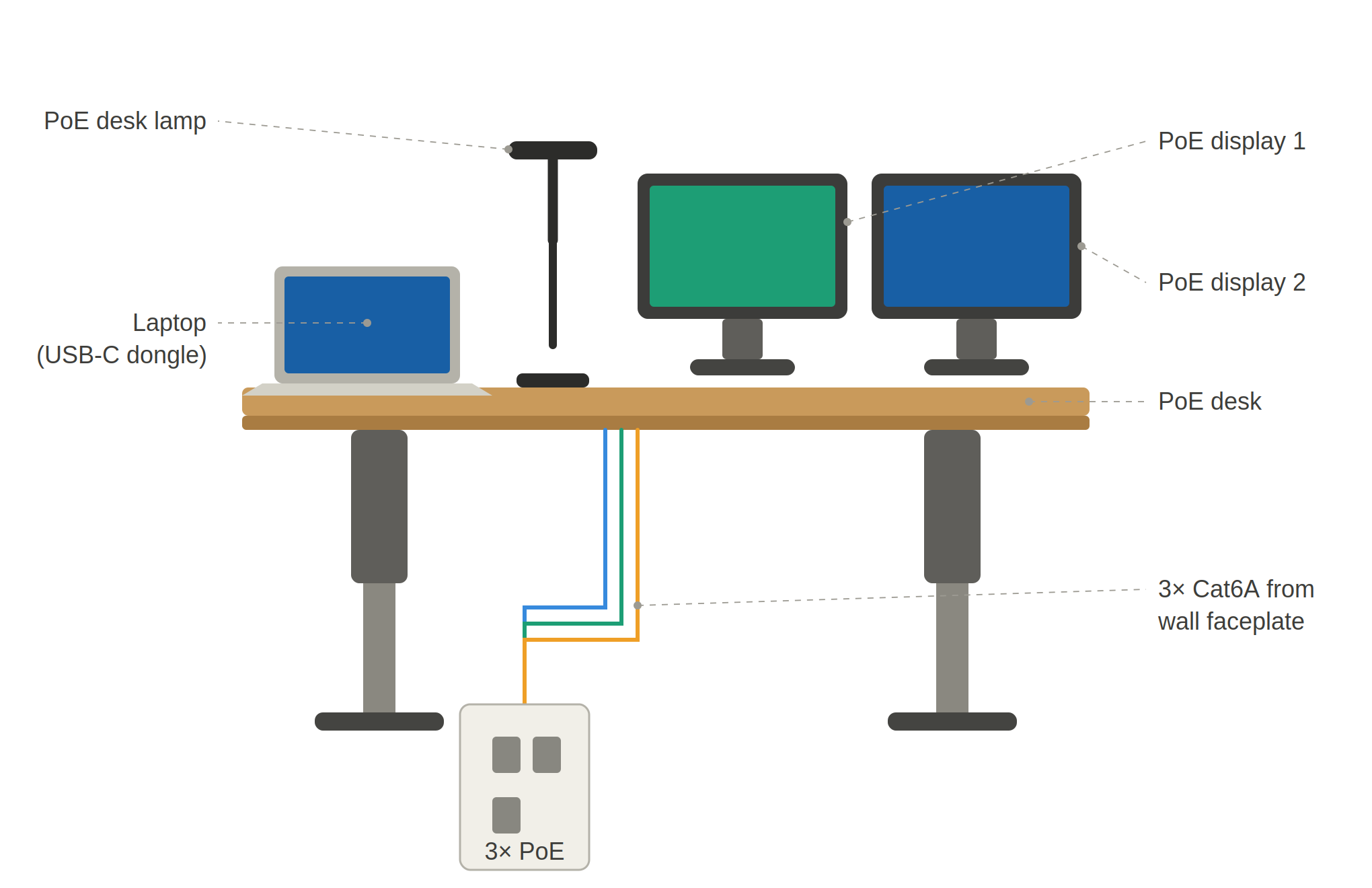
Working alongside leading technology partners, we created a fully integrated workspace for a leading global charity in London, where our PoE installation, all powered by a single network conection, included:

  • Height-adjustable desks
  • Task lighting
  • Monitors
  • Collaboration devices
  • IP telephony
  • User-charging facilities

Using just a small number of structured Ethernet connections, the workspace becomes another intelligent endpoint within the enterprise infrastructure, reducing reliance on traditional electrical installations while maintaining the flexibility expected from a modern office.

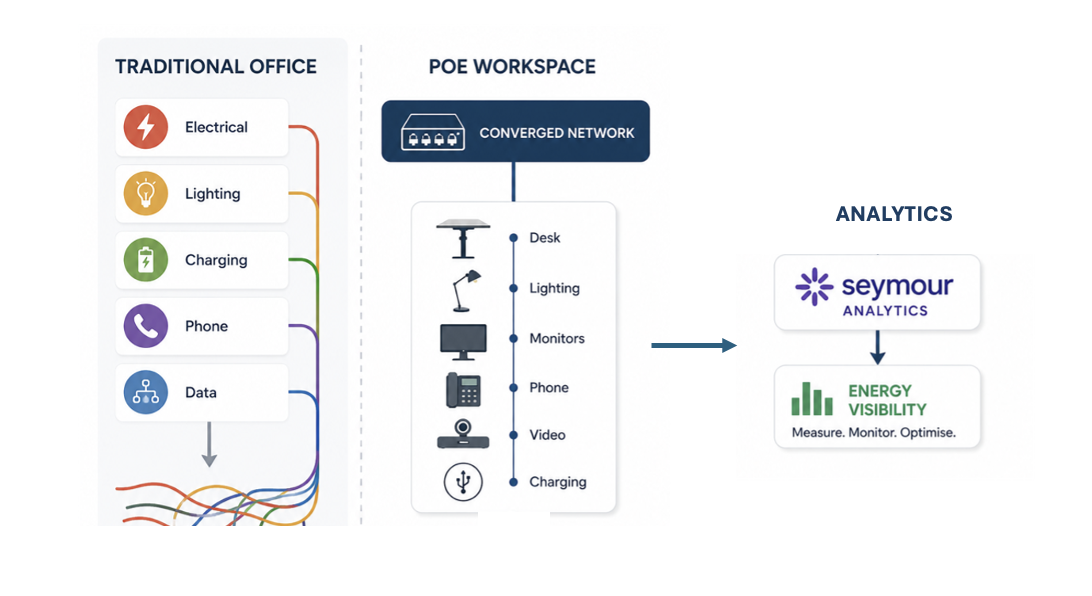
PoE enables Ideal’s Seymour Telemetry Solution to immediately analyse device usage, energy usage and much more. Integrated with other analytics tools, Seymour can transform smart decision-making.
Why this matters to your next office fit-out

The practical benefits quickly became clear, instead of separate electrical installations and multiple specialist trades, power and data are delivered through the same structured cabling infrastructure already managed by the IT team.

  • Office moves became significantly easier
  • Facilities teams reduce reliance on costly electrical alterations, while IT teams gain centralised visibility and control through the existing network infrastructure.
  • Power can be centrally managed and monitored
  • Entire floors can be powered down outside working hours through policy rather than manual intervention.

As more technologies move onto the network, organisations gain a consistent approach to deployment, management and lifecycle support across their buildings.

For organisations already investing in PoE lighting, intelligent sensors, room booking systems, environmental monitoring and connected workplace technology, PoE-powered workspaces represent a natural next step rather than a standalone innovation. For the first time, IT and Facilities are working from the same infrastructure rather than managing separate technology and electrical estates.

Beyond PoE: the future is Fault Managed Power (FMP)

While PoE is changing today’s workplace, Fault Managed Power (FMP) will extend that same converged approach to an even broader range of higher-powered workplace technologies, accelerating the transition towards fully network-powered buildings.

FMP enables significantly higher levels of power to be delivered safely over structured cabling, opening the door to an even broader range of workplace technologies operating from the network. As standards continue to mature and adoption increases, FMP will enable organisations to extend the same converged approach beyond desks to technologies that have traditionally relied on dedicated electrical infrastructure.

We believe that PoE workspaces represent an important stepping stone towards that future.

By designing workplace infrastructure around the network today, organisations will be perfectly positioned to take advantage of the additional capabilities FMP will unlock tomorrow.

At Ideal, we’re already working alongside leading technology partners to understand how these emerging standards can be incorporated into future Smart Building designs, ensuring customers invest in infrastructure that evolves alongside the market.

More than an office desk – a smarter workplace

Powering the workspace is only part of the story; understanding how that workspace performs is where the real value lies.

As businesses continue to focus on sustainability, operational efficiency and ESG reporting, knowing how much energy is being consumed, and where, becomes just as important as reducing consumption in the first place.

By moving workplace power onto the network, organisations don’t simply simplify infrastructure, they create the opportunity to understand, manage and optimise energy consumption in ways that traditional electrical installations simply cannot.

About the author

Aaron Tunnicliff is Head of Pre-sales and Engineering at Ideal, helping customers of all sizes to choose the right technological solutions for their current and future needs.

Aaron Tunnicliff Aaron Tunnicliff, Head of Pre-sales and Engineering at Ideal

PoE WHITEPAPER

Request Whitepaper now

How did we engineer the UK's first commercial PoE workplace deployment and what did we learn? Request the technical whitepaper to learn more.
Request PoE Whitepaper

Ideal and UMA in Partnership

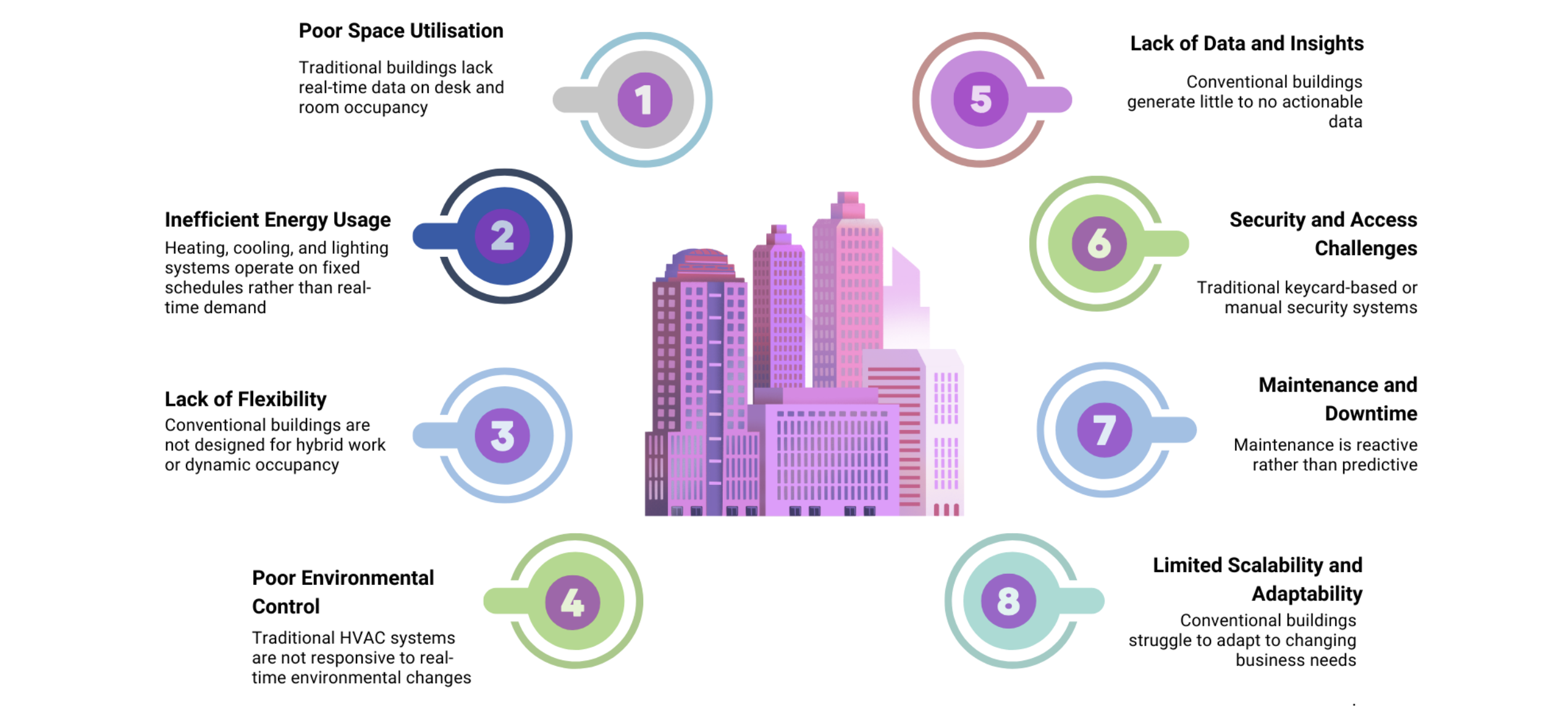
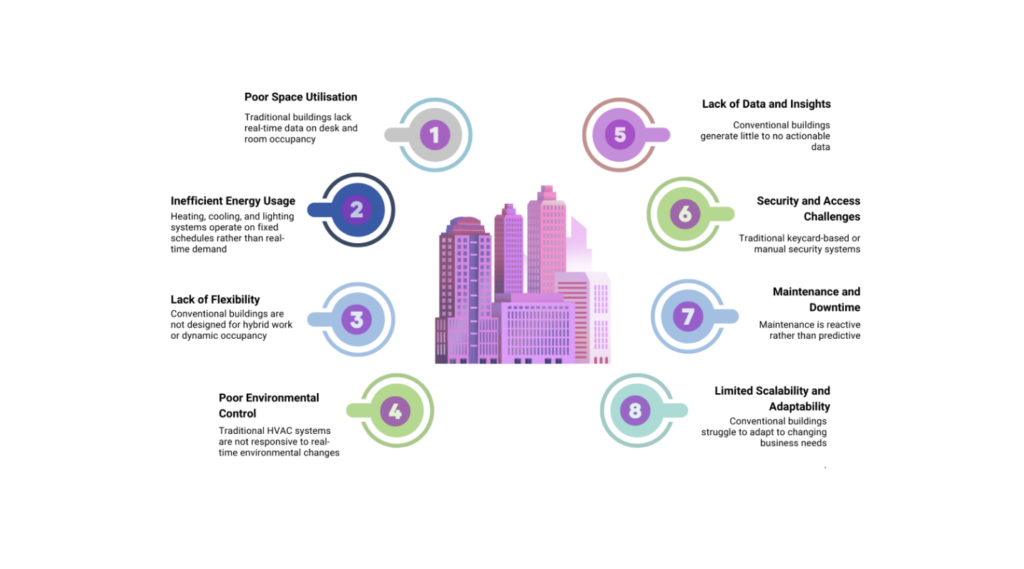
Typical Building Challneges

Ideal has announced a significant partnership with UMA, the workplace operating platform, to deliver integrated data-driven solutions for space usage, energy efficiency, sustainability and more.

Smart CNS integrated with UMA – the perfect combination

Ideal, is the UK’s leading Converged Network Systems (CNS) provider for Smart Buildings and winner of Cisco’s Smart Building Partner of the Year, two years running.

By teaming up with UMA, the collaboration experts, the aim is to offer a fully integrated solution across new build construction through to retrofits and tenant-led projects.

Working together, Ideal and UMA can now deliver fully integrated solutions for data-led workspaces with exceptional usability, management and insights.

From commercial office space, to hospitals, universities, venues and retail spaces, the combination of an advanced CNS with an integrated front end booking and analytics system provides enormous potential. Think optimal space utilisation, improved light and energy consumption, data-led decision-making and much more.
From room and space bookings to environmental control

UMA provides the all-in-one platform, ‘ask UMA’, which digitises everything from room and space bookings to actual usage. Innovative tools and features empower individuals and teams to collaborate effectively, regardless of their physical location.

The platform also provides access to various room analytics data from a wide range of sensors. This includes temperature, humidity, live occupancy, air quality (TVOC), sound level, and ambient noise, giving facilities and estate managers real-time control and invaluable insights to tackle the common issues below:

API integration fulfilling the vision

API integration enables through an Ideal CNS makes it possible to monitor space occupancy, automatically adjust environmental controls for improved comfort and create usage visibility.

This can enable:

  • more efficient use of wards or visitor facilities in hospitals
  • better use of lecture theatres or individual monitoring of student webinar attendance in education
  • improved meeting room and desk usage in offices
  • safer space utilisation and hot vendor mapping in venues
  • footfall monitoring and better staff resourcing for retail spaces

North and South events to be announced

Whist the two companies are already working on tender responses together, there are plans to launch the partnership with events to bring the vision alive, starting with the health sector.

7 October 2026 at 150 Holborn, London

Richard Evans, Chief Solutions Officer at Ideal, says the two companies offer a great fit.

“We are both renowned for our technical innovation and our agility in making things happen fast. I have worked with UMA in the past and I’m looking forward to the new opportunities we can create together.”

Nathan Rogers, Sales Director at UMA, says:

“A Smart CNS is the perfect foundation for digital services like ours. Planning and implementing together will give clients maximum potential from the outset, making workspaces more efficient, more sustainable and easier to manage.”

About the author

Richard Evans is Chief Solutions Officer at Ideal, helping customers to use the latest technologv to solve real problems and realise their visions for improved workplace performance on every level.

Richard Evans, Chief Solutions Officer
Case studies

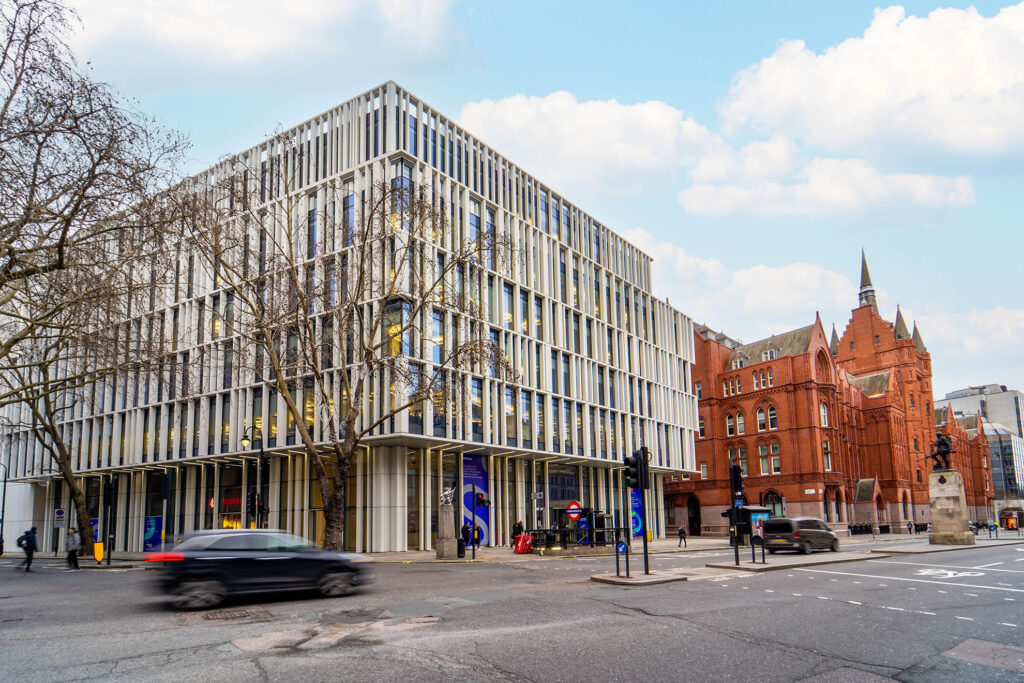
External shot of 150 Holborn, one of the smartest buildings in Europe. An Ideal client.

150 Holborn

Delivering a secure, scalable, and flexible network infrastructure to enable one of the smartest buildings in Europe.

Read more

22 Bishopsgate

Delivering enhanced customer experience through a Converged Network System

Read more
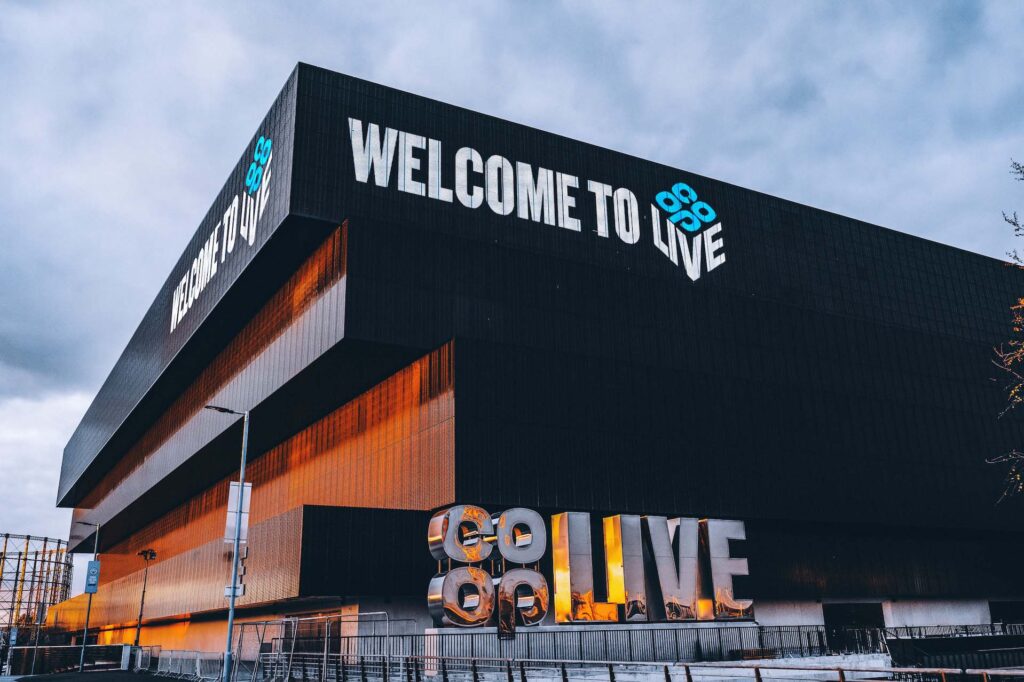
Exterior of Co-op Live in Manchester. An Ideal client.

Co-op Live

Advanced CNS and award-winning high-density Wi-Fi delivering an outstanding experience for 23,500 music lovers.

Read more

Ideal Joins TBS Group

The start of a new era

16 July 2026. After over 17 years as a privately owned UK technology company, Ideal has been fully acquired by Telelink Business Services Group (TBSG), one of the fastest-growing European technology service providers.

TBS Group – perfectly complementing Ideal’s capabilities

Listed on the Bulgarian Stock Exchange and headquartered in Sofia, TBS’ strengths in IT Infrastructure & Cybersecurity, AI & Software Engineering and Advanced OT Solutions complement Ideal’s capabilities in Smart Building solutions, Networking, Wi-Fi and Security.

Together, the combined company can now take responsibility for far more of a customer’s technology – every layer of it, from the network in the building to the software and AI running on top – and, just as importantly, for how those layers connect.

Tim Gaynor, until now, Ideal’s CFO, is stepping up to be the new CEO. Tim says this is a remarkable opportunity for the company to grow to the next level:


“TBS Group has 20 years’ experience in our sector and has over 500 people in 11 countries. They work with 300 clients, including NATO and Lufthansa, to the highest engineering and security standards in the industry. Their can-do attitude and agility make this an excellent cultural fit for our customers, our staff and our suppliers, and gives Ideal a platform to grow our business throughout Europe.”

Same commitment, broader capabilities

The acquisition of Ideal by TBS Group is part of a deliberate European growth strategy. In practice, that means Ideal remains free to work in the usual way, with no major changes planned to personnel, offices or customer and supplier relationships. The name on the door, the people customers know and the way the company works stay the same — what changes is the depth of what stands behind it.

Ivan Zhitiyanov, CEO of TBS Group, says:


“Ideal is highly regarded by blue-chip customers and vendors alike. It is a professional company, with exceptional technical, sales and support staff and a strong local presence in the UK market. This makes Ideal a solid investment for us, and we look forward to welcoming them to the TBS Group.”

Why now?

For some time, TBS Group had been looking closely at the UK – one of Europe’s most sophisticated and demanding markets for technology and professional services. What they decided is telling. Rather than arrive as an outsider trying to break into a mature market, they set out to partner with a company that was already trusted, already established and already respected here. They chose Ideal.

Advanced technologies that enhance current services

TBS Group combines expertise across IT infrastructure, cybersecurity, AI, software engineering, and advanced operational technology — covering everything from multi-cloud environments and cyber resilience to industrial and critical infrastructure.

This introduces real depth in fields that reinforce what Ideal already does best. It operates its own Secure Operations Centre (SOC) offering 24/7 cyber security protection across Europe. Set alongside Ideal’s own Network Operations Centre (NOC) — the backbone of Ideal’s 24/7 Managed Services — that combination makes for a genuinely compelling new offering for customers.

A fond farewell to Ideal Founder, Mo

Moto Shakoori (Mo), Ideal’s Founder and outgoing CEO, built the business from a single desk with a phone 17 years ago into the market-leading IT Solutions and Smart Buildings Network provider it is today.

Mo has decided not to continue as CEO. He says:

“My business philosophy has always been to surround myself with experts. This acquisition gives Ideal access to expertise at the very highest level. While I have chosen not to be a part of that, I know the business will thrive under Tim’s proven leadership.

We welcome your questions

If you have any questions about Ideal’s new era, or what it might mean for your business, please do get in touch.

I'd like to know…

Tech on Tap Brighton

Tech on Tap – another great turnout

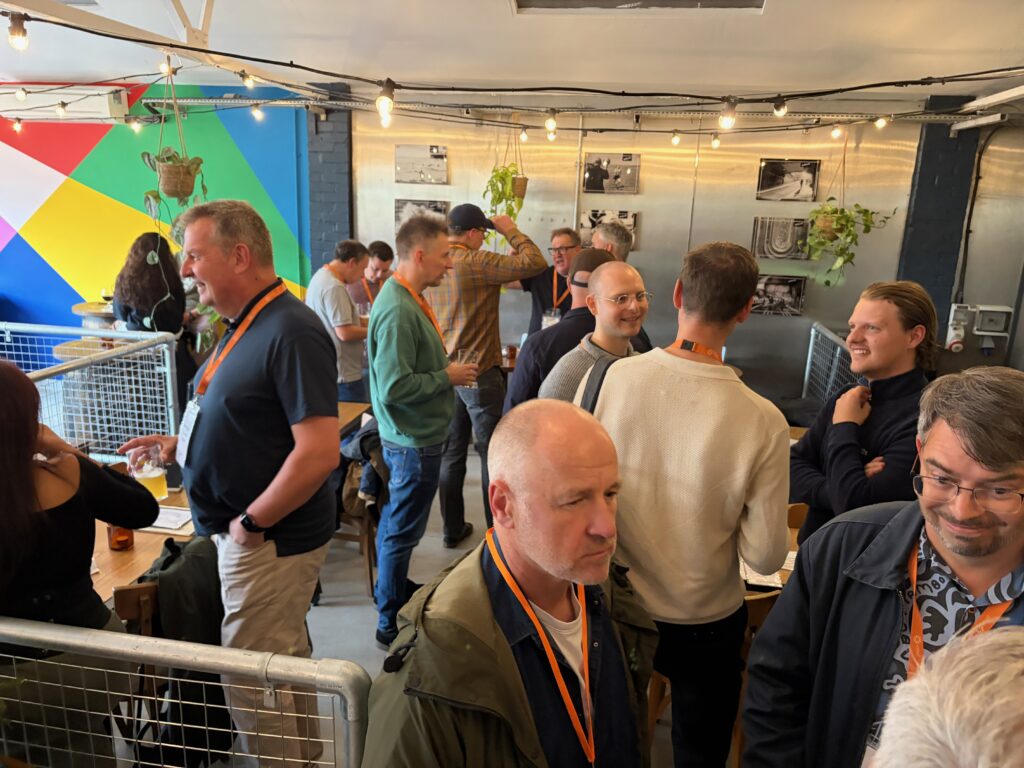
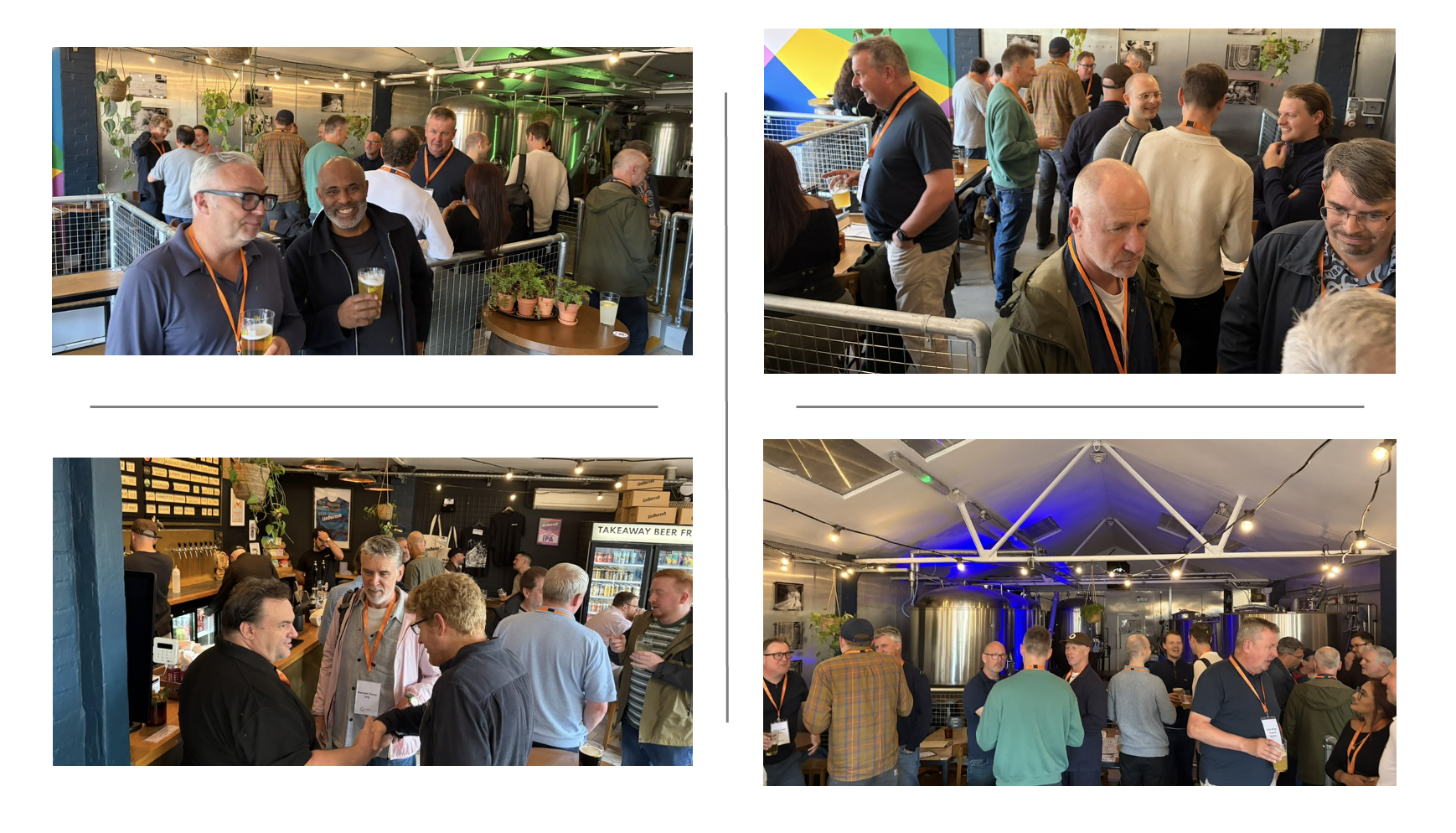
We were delighted that so many customers and vendors were able to join us at our latest Tech on Tap event at the Unbarred Brewery in Brighton.

A diverse collection of customers

It’s an informal event where customers, Ideal colleagues and a few vendors come together to chat about whatever is on their minds – with drinks and pizzas on us.

Customers ranged from some huge organisations and brands, NHS Trusts and Universities/FE colleges, down to much smaller niche companies, tech experts and some people between jobs, keeping their hand in. Everyone’s welcome.

See you at the next one?

If you made it, thanks for joining us. If you missed it, look out for forthcoming events in Brighton and London, coming soon.

We hope to see you there!

Palo Prisma Browser – Take Back Control

Prisma Browser

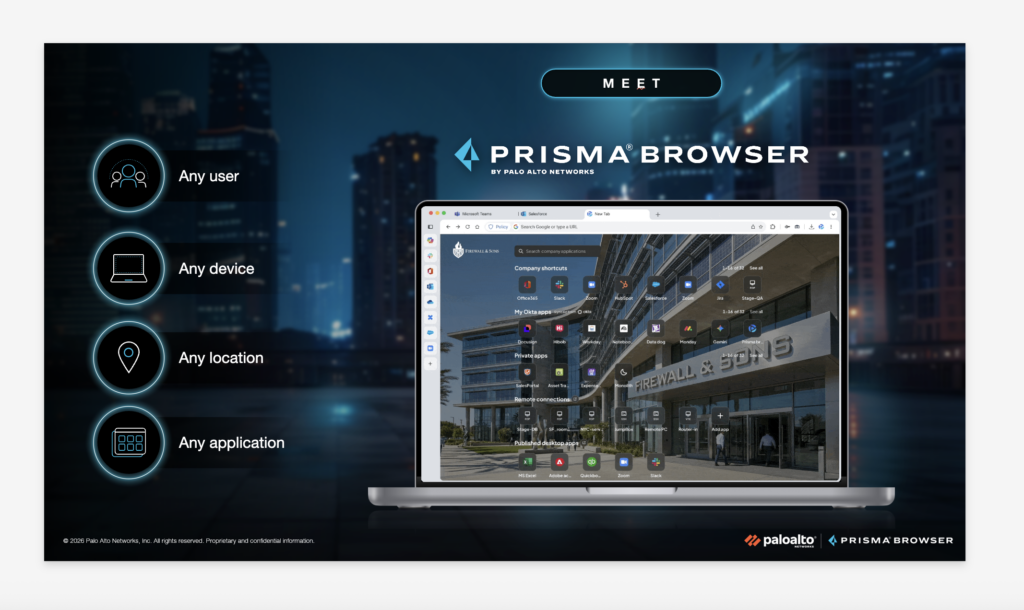
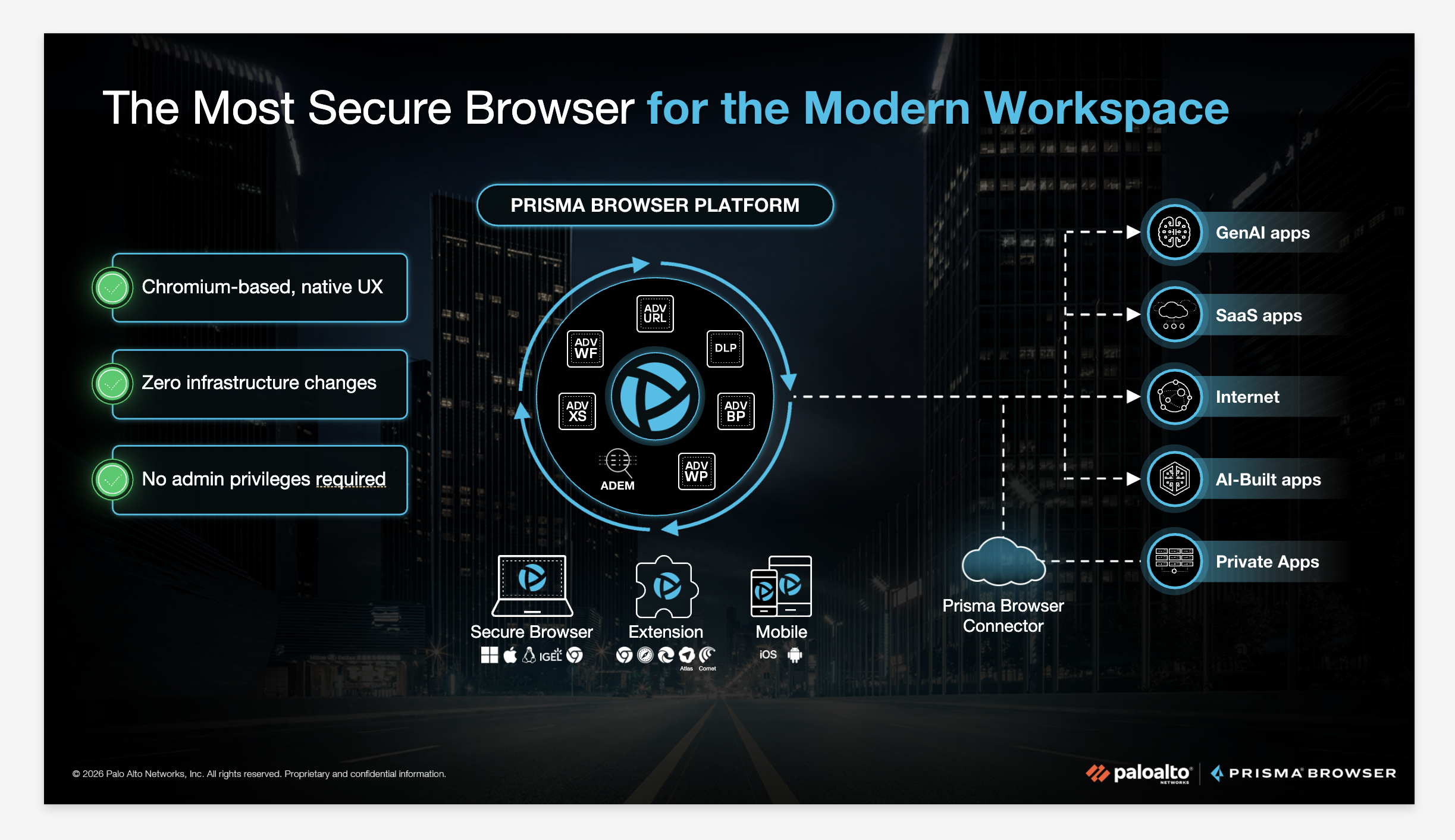
Browsers may be your greatest security vulnerability, and your weakest point of control. In our webinar this week, Palo Alto Networks presented the solution – the Prisma Browser – specifically built for security in the era of Agentic AI.

Request Webinar or Demo

A breakthrough in secure access

The browser is where 85% of most workers’ day is spent and yet it’s been one of the hardest attack surfaces to secure. Until now.

You need your people to work seamlessly with cloud-based apps, but you may not have have visibility over what they are doing. You’re happy for them to use Agentic AI to shortcut workflows and creativity, but you don’t want them inadvertently sharing sensitive corporate information with Large Language Models or unauthorised people outside your organisation. Allowing bring your own devices (BYOD) means faster onboarding with interfaces that suit each individual, but each device represents a potential vulnerability for your security posture.

Palo Alto’s Prisma Browser Platform addresses these issues and more, with no need for infrastructure changes or VPNs, targeting three core areas.


Why should we be concerned?

Cyber Security icon

Web Security Vulnerabilities

Browsers have become the primary workspace for users, making them a major attack surface. 95% of organisations experienced a security incident originating in the browser in 2024.

Network & Connectivity Icon

Visibility and Data Leakage

Organisations struggle to monitor encrypted web traffic and user actions within browsers, especially with the rise of Gen AI and SaaS applications, and the risk of sensitive data leaking into tools like ChatGPT or personal cloud storage.

Unmanaged Devices and BYOD Risks

Around 90% of ransomware attacks originate from unmanaged devices. Nine out of ten organisations enable some level of access from unmanaged devices for employees, contractors and authorised third parties.

A secure browser, purpose built for enterprise

Prisma Browser is the industry’s first SASE-native secure browser. It embeds advanced security mechanisms directly into a familiar Chromium-based browser to provide safe access to SaaS, web, and private applications – without requiring admin privileges to install. 

A simple solution with far-reaching benefits, Prisma Browser delivers:

  • Secure BYOD & Contractor Access: Grant instant, secure access to sensitive apps for staff, contractors, and third-party partners without shipping laptops or relying on clunky, expensive VDIs. 
  • Safe GenAI Adoption: Gain granular visibility into AI usage and enforce last-mile data controls (like blocking copy/paste or file uploads) to prevent sensitive data from leaking into public AI models. 
  • Extend Zero Trust to the Last Mile: Apply consistent Zero Trust enforcement across both managed and unmanaged devices with real-time monitoring and policy enforcement. 
  • Built-in Threat Prevention: Browse bravely with native threat isolation, phishing protection, and AI-powered threat detection built directly into the workspace. 
  • Simplified Operations: Reduce operational risk and IT complexity with centralised policy control in the cloud—eliminating the need for VPNs or complex agents. 
Prisma Browser Caption here if needed

Watch the webinar recording

This lively one-hour webinar included an excellent demonstration from Palo’s Zak Rieker and Chris Robins showing:

  • how Prisma Browser works,
  • the simplicity of installation and roll-out
  • back-end capabilities for alerts, intervention, reporting and analysis.​

If you would like to watch the webinar or request a one-to-one demo of your own, use the button below.

Request Webinar or Demo

Free browser risk assessment

If you would like to understand the threats your organisation faces, we’re offering a complimentary assessment using the Prisma Browser Extension (PBX). We’ll provide you with a customised Executive Snapshot that reveals exactly where your risk lives, including:

  • Shadow IT Discovery: SaaS apps being accessed outside your corporate SSO.
  • Data Movement: Tracking sensitive data leaving via personal WhatsApp, Gmail, or GenAI tools.
  • The “Forensic Ten Minutes”: A deep-dive timeline of what users actually do around a malicious event.

If you would like to request a free risk assessment, please do get in touch.

Request Risk Assessment

Smart Buildings for Healthcare – what we learned from Digital Health Rewired 

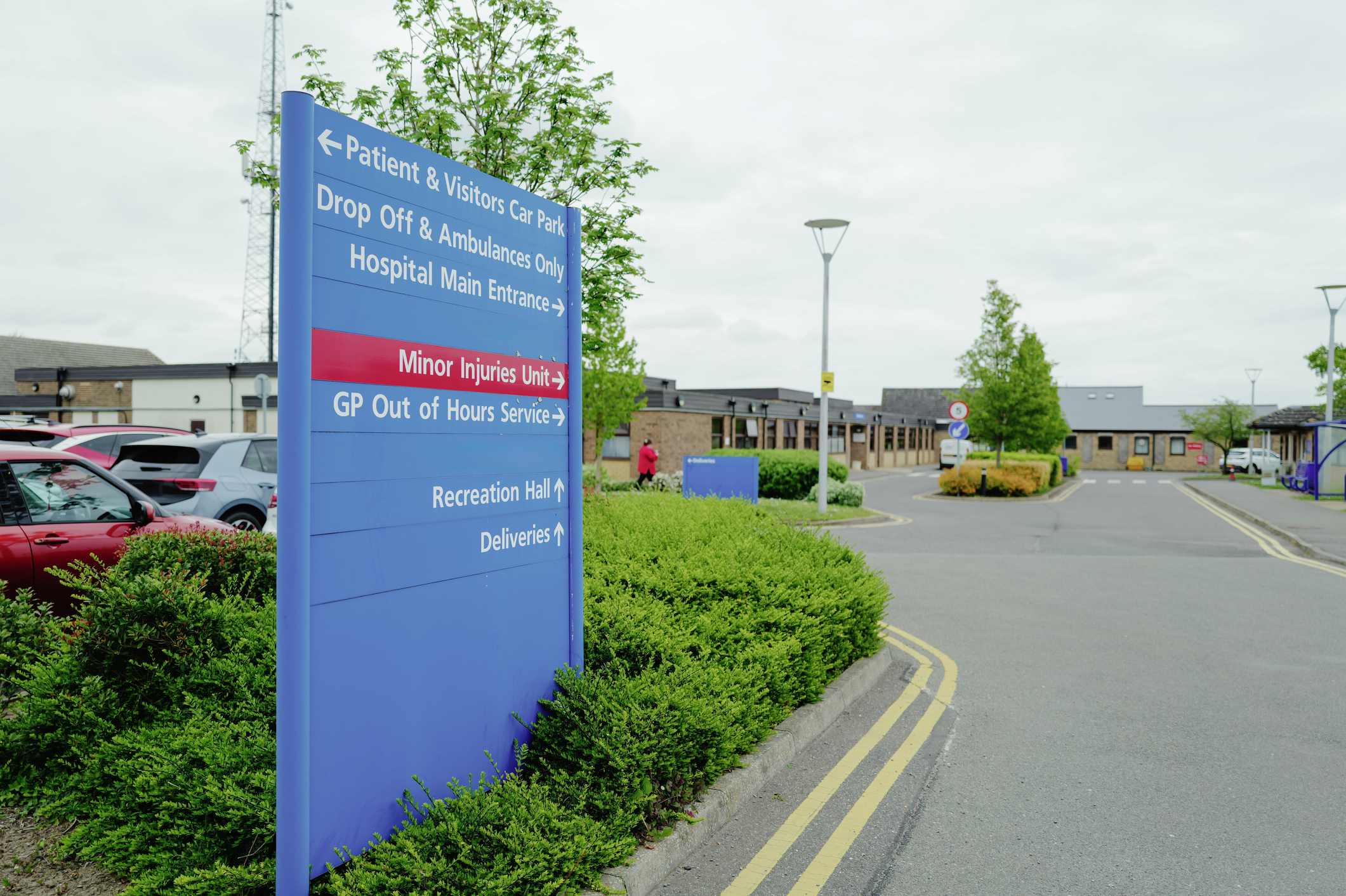
Exhibiting at Digital Health Rewired 2026, the UK’s biggest digital health expowith our partners UMA, there were three core questions about Smart Buildings in Healthcare that came up time and again. 

All eyes on digitalisation 

With the government-funded New Hospital Programme (NHP) in England firmly underway, all eyes in the healthcare sector are on digitalisation and what it can deliver. 

The NHP aims to build or upgrade over 40 hospitals by the 2030s-2040s using standardised designs to enhance efficiency, sustainability, and patient care. One of its stated goals is to incorporate sustainable, digitally advanced designs to create flexible, future-proof health facilities.  

Hundreds of conversations 

Over two days at the NEC in Birmingham, we met all kinds of professionals involved in the programme, from estate managers and appointed development contractors to hospital administrators and patient-facing clinical staff.
 

As the UK’s leading converged network systems (CNS) provider for Smart Building digital services, and a founder of the Intelligent Ready Buildings blueprint that provides a proven formula for success, we had hundreds of stimulating conversations.  

In our wash-up session we found that three core themes ran through many of them. 

24/7 control over the clinical environment

1. How can Smart Building technology give me better control over the clinical environment and improve patient outcomes?

Many clinical staff wanted to know if Smart Building technology could help them control the day-to-day environment on the wards and in operating theatres and play a proactive role in improving patient safety and wellbeing. 

The answer is a resounding yes.

Putting the right converged network systems (CNS) and Advanced Wi-Fi into a building and integrating with building management services and smart sensors can transform the environment on every level. 

At a minimum, it will automate 24/7 local control over heat, light, humidity, air conditioning, air quality and noise. This can be constantly optimised to maintain the right conditions without wasting resources; local manual intervention can also be enabled for patients to ensure an appropriate ambient environment to aid comfort and recovery. 

With intelligent provisioning, the building can get smarter. Motion sensors in single-bed rooms could alert the nearest nursing station to possible falls; similarly, a lack of movement in a locked bathroom cubicle can raise an alarm. A patient trying to get out of bed when they’re not ready could also notify nurses, preventing falls in the first place. 

Remote patient monitoring (RPM) connected digital infrastructure for clinical services, staff and visitors, integration with other care settings – Smart Building technology makes it all possible. 

Data points give you ultimate control

2. In what ways do Smart Buildings for healthcare improve patient flow?

Everything can have a data point, from beds (i.e. patients) to medical devices, mobile equipment, footfall and utilisation of spaces. 

This enables the smart building system to track activity, monitor usage and assess efficiency.  

Using AI tools, we can begin to identify typical patient journeys, find bottlenecks, and work out how changes in space or equipment availability could transform patent flow, improve patient outcomes and reduce the stress of corridor care and bed-blocking. 

Of course, clinical improvements noted above will also lead to improved patient outcomes, which in itself will help people to get through the system faster, freeing up flow throughout the facility. 

Smart technology managing the estate

3. At the highest level, can Smart Building technology deliver a more sustainable, cost-efficient estate?

What we have learned from a decade of Smart Building implementation in commercial settings like Battersea Power Station, the Co-op Live arena and 22 Bishopsgate, the tallest building in the City of London, is that Smart Buildings create the opportunity for a 24/7 living lab. 

As we all know, the vision for any project – be it a brand-new hospital or the remodelling of your kitchen at home – won’t 100% map with the reality of everyday operations. And those demands will change over time. 

A Smart Building approach, with fully integrated digital infrastructure and Advanced Wi-Fi, gives you the data you need to learn, together with the flexibility you need to constantly adapt. 

Provisioned correctly and your building can monitor utilisation of Building Services like heating and lighting, with Operational IT like entry systems and lifts and Internet of Things like blinds on the sunny side of the building. 

That can lead to energy and resource savings right across the estate. For example: automatically adjusting blinds to reduce the need for aircon in sunny wards, shutting down elevators when footfall is low, notifying when staff/visitor food and drink dispensers are empty. 

At the same time, moving patients in beds, re-configuring spaces and keeping track of expensive equipment is faster and simpler. 

Optimising energy usage, improving the efficient use of resources and delivering a better environmental performance across the estate all becomes part of the building’s standard operandi, leading to more sustainable operation and helping to meet stringent regulatory targets.  

It’s all about the foundation

Richard Evans, Chief Solutions Officer, says that the network foundation is key to success. 

“As with any innovation, its sustainable success over many years is only as good as the foundation you build it on. You can’t build a Smart Hospital without robust, secure digital infrastructure. AI, RPM, automation and realtime data only succeed if the layer supporting them is properly designed and supported.” 

Meghan Edwards, one of the Ideal team who manned the Ideal UMA stand for both days, reflected on her experience: 

“It was inspiring to see the passion across the NHS for improving patient experience, easing staff burden and modernising care environments. If you visited our stand, thank you. If you’d like to continue the conversation, I’d love to chat.” 

Get in touch

SASE Strategy Roundtable

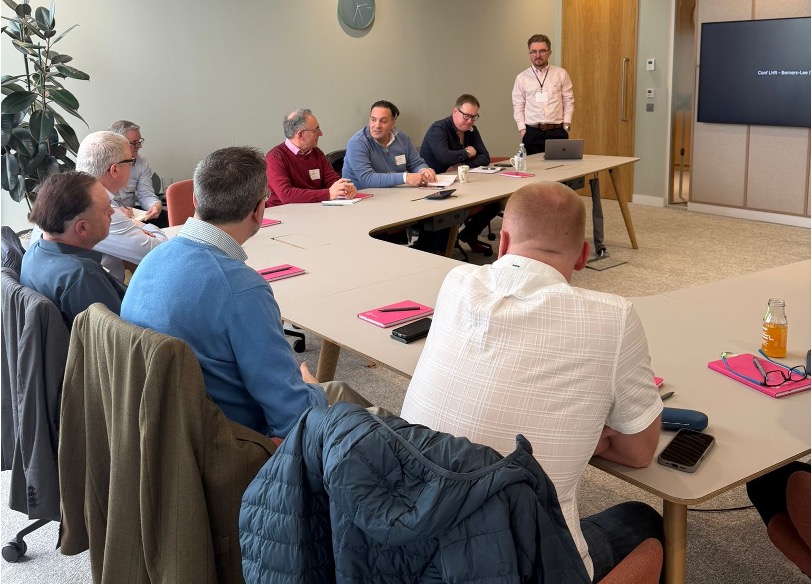
Group of CISOs sitting at desks in a roundtable meeting

We invited a distinguished group of CTOs and CISOs from a broad sweep of organisations to discuss the role of SASE. It didn’t take long for AI to rear its head. 

What is SASE?

We started with a brilliant short summary from Adam Start, SASE Regional Sales Manager at Palo Alto Networks, who were hosting us at their HQ on the 55th floor of 22 Bishopsgate in the City. 

SASE (Secure Access Service Edge) is an advanced solution with BOTH security and networking advantages. It operates around the core strategic element of enforcing access based on identity across the platform, and encompasses Zero Trust, Visibility and Data Sovereignty. 

Adam explained: “You find SASE means different things, at different times, to different people, depending on priorities.” 

From Adam’s deep experience with many customers, he finds that the common drivers to introduce SASE include:

  1. Removing cyber risk 
  2. Addressing business resilience
  3. Enhancing audit/compliance efficiency throughout the estate
  4. Enabling efficiency and automation (whilst ensuring a consistent experience across a hybrid landscape) 

“If you can’t see it, you can’t secure it.” 

Adam’s top tip?  

 “When embarking on a SASE project, ensure ALL your teams – security, networking, helpdesk, governance – are involved. Working together gets the best outcomes. And remember visibility is key: If you can’t see it, you can’t secure it.” 

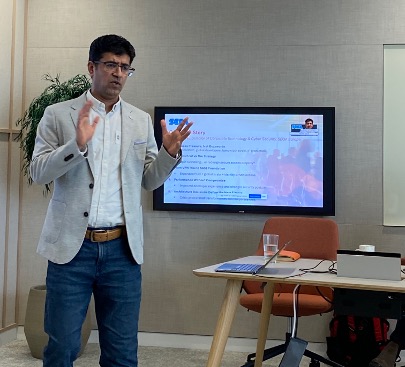
Kashif Iqbal, presents SEGA's story Kashif Iqbal presents SEGA’s story

SEGA share their story

We were delighted to then welcome Kashif Iqbal, Director of Technology Services & Cyber Security at SEGA Europe, who shared SEGA’s experience of deploying SASE in a digital-first environment with a dispersed hybrid workforce across Europe. 

Kashif explained that they were evaluating SASE as a Proof of Concept (POC) when Covid hit and it quickly became a critical part of their business strategy. 

“For us, SASE stopped being an IT project and became a business enabler. 

“It removed architectural bottlenecks, combined teams together and supported our global workforce. IP is a critical part of our business; SASE helps us protect that and makes our cyber security and network much more intuitive to manage.” 


Ideal’s Richard Evans heads-up the roundtable discussion

Opening up the debate – AI to the fore

The event then opened out to a roundtable discussion. With senior technology leaders from FTSE 100 enterprises, the NHS, Education, Construction and expert consultants, views still coalesced around three core themes. 

  1. Securing AI usage – everyone wants to explore the benefits of AI, so they don’t want to prohibit access, but are concerned about policing secure access to apps and the potential cyber risk of embedding AI tools in their operations and services. Is SASE the answer? 
  2. Data Loss Prevention (DLP) – is a big consideration. A number of high-profile cases last year showed the enormously damaging and expensive potential consequences – and everyone at the table was well aware that the majority of incidents do not get reported.
  3. Educating users is key. Providing more user-coaching, creating a team to address cyber behaviours, guiding users towards best practise rather than adopting a punitive approach were all seen as priorities. “Educate the users and work with them.” 

Richard Evans, Chief Solutions Officer at Ideal who chaired the roundtable, said:

“It was an extremely productive afternoon with senior people sharing and learning together. We had people, pre-, post, and mid- SASE deployment; those shared perspectives were invaluable.” 

Kashif Iqbal and Stuart Wright from SEGA

Next steps?

SASE is not normally a single implementation; it’s usually a bespoke journey that depends on your organisation, your operations, your strategic business objectives and any immediate threats or needs. 

If you are considering SASE as a solution but are not sure if it’s right for your organisation – or as is true for many organisations, you don’t know where to start – we have an interactive SASE Assessment tool that can help.

Just get in touch and we’ll arrange to run through it with you. 

Thank you for a fabulous afternoon 

With sincere thanks to Kashif Iqbal at SEGA Europe, all of our delegates for the lively and vibrant discussion and to Adam Start and his team at Palo Alto Networks for co-hosting such a thought-provoking and inspiring event. 

Many also came to our Tech on Tap social gathering at the end of the session, rounding off an exciting day for everyone involved at Ideal.  See you at the next one?

Outsourced IT – the CFO perspective

Where does outsourced IT really add value?

As a CFO, Tim Gaynor automatically assesses almost everything from a cost-benefit point of view. Here he looks at outsourced IT from that perspective. Where does it really add value?

3 key areas where CFOs and CIOs can get clear ROI

Most businesses have an eye on carefully managing headcount. Given the relentless charge of technology advancement and the equally rapid evolution of cyber risk, balancing internal IT headcount against benefit and risk is key.  

Proactive outsourced IT can help you get this balance right, whilst improving business efficiency and making a serious long-term contribution to the bottom line.  I think there are three key areas where CFOs and CIOs can get clear benefits that are hard to replicate in-house: 

1. Projects/upgrades and developments

When your in-house IT team is continually responding to daily challenges, be that everyday technology updates, user issues, or countering evolving cyber threats, it can be hard for them to find the necessary bandwidth for what’s new. 

An outsourced IT partner like Ideal (other brands are apparently available) enables you to tap into the latest technological possibilities as and when you need to, without carrying that overhead all year round. 

Outsourced IT can deliver a number of advantages, including:  

  • The ability to innovate and adopt the latest proven technology to create future-proofed solutions without stressing internal resources 
  • Working towards Opex cost-savings and sustainability benefits. 

In addition, if you build a positive ongoing relationship with the right outsourced partner, they will be able to proactively suggest new strategies or help you adopt emerging technologies to meet your specific business goals.

2. Hardware, licensing and maintenance

Without an independent voice, you may be buying hardware direct from distributors based on their product offering, without a deeper examination of the challenges you are trying to meet.

A professional outsource provider who values a long-term relationship will support your IT and purchasing teams with hardware by:

  • Specifying exactly what you need (not more)
  • Accessing the best hardware purchasing rates
  • Working towards a business strategy rather than reactive unplanned purchasing.


Managing Enterprise Agreement (EA) licensing

EA licensing can be fiendishly complex and may split responsibilities between your IT team and your purchasing function.

At Ideal, we deal with EA licensing every day and we understand it forensically. We can right-size EA licensing for your precise application needs so that you are not paying more than you should.

For one client with a £100k annual EA licensing commitment, we recently took them across to an ‘A la carte’ approach, with one-off licensing spread over different periods, saving them around 10% a year.

A decent outsource IT provider should also be able to help you manage your ‘Trueing-up’ process. We often help clients to roll unused EA licensing costs across to the next billing year, once again accessing significant savings.


Managing maintenance on critical infrastructure

We all know that IT failures can damage operability, reputation and bottom line.

By understanding your IT real estate across multiple sites, any outsourced IT provider worth their salt will be able to track warranties, understand vulnerabilities and advise on scheduled maintenance. This can help you to avoid disastrous outages or failures, without costing a fortune.

3. Proactive Managed Services

The final area where outsourced IT can potentially save you costly IT issues (and also help you to sleep better at night) is Managed Services – particularly with respect to Cyber Security. 

At Ideal, we provide proactive Managed Service to some very large clients with complex international and national operations, as well and some smaller local companies.  

What our service ensures is: 

  • Timely management of patches and upgrades 
  • Proactive defence against the ever-changing landscape of cyber threats 
  • Anticipation of potential problems with hardware and network issues 
  • Critical support in the time of failure or cyber-attack 
  • Knowledgeable advice for future strategies 

We offer in-house, UK-based 24/7/365 proactive Managed Services with three levels of cover to suit your needs. We cover some of the largest office buildings in the UK, hospitals, arenas, venues, warehouse and distribution firms, international businesses and multi-site companies. 

If you would like to assess the potential cost benefits of any of these core outsource IT approaches, CFO to CFO, please do get in touch. I would be very happy to run the numbers with you.

Contact now

About the author

Tim Gaynor is Chief Finance Officer at Ideal.

Tim has worked in Finance for 20 years, leading teams in early-stage and established businesses through the investment cycle, in sectors including investment banking, asset management, energy and technology.

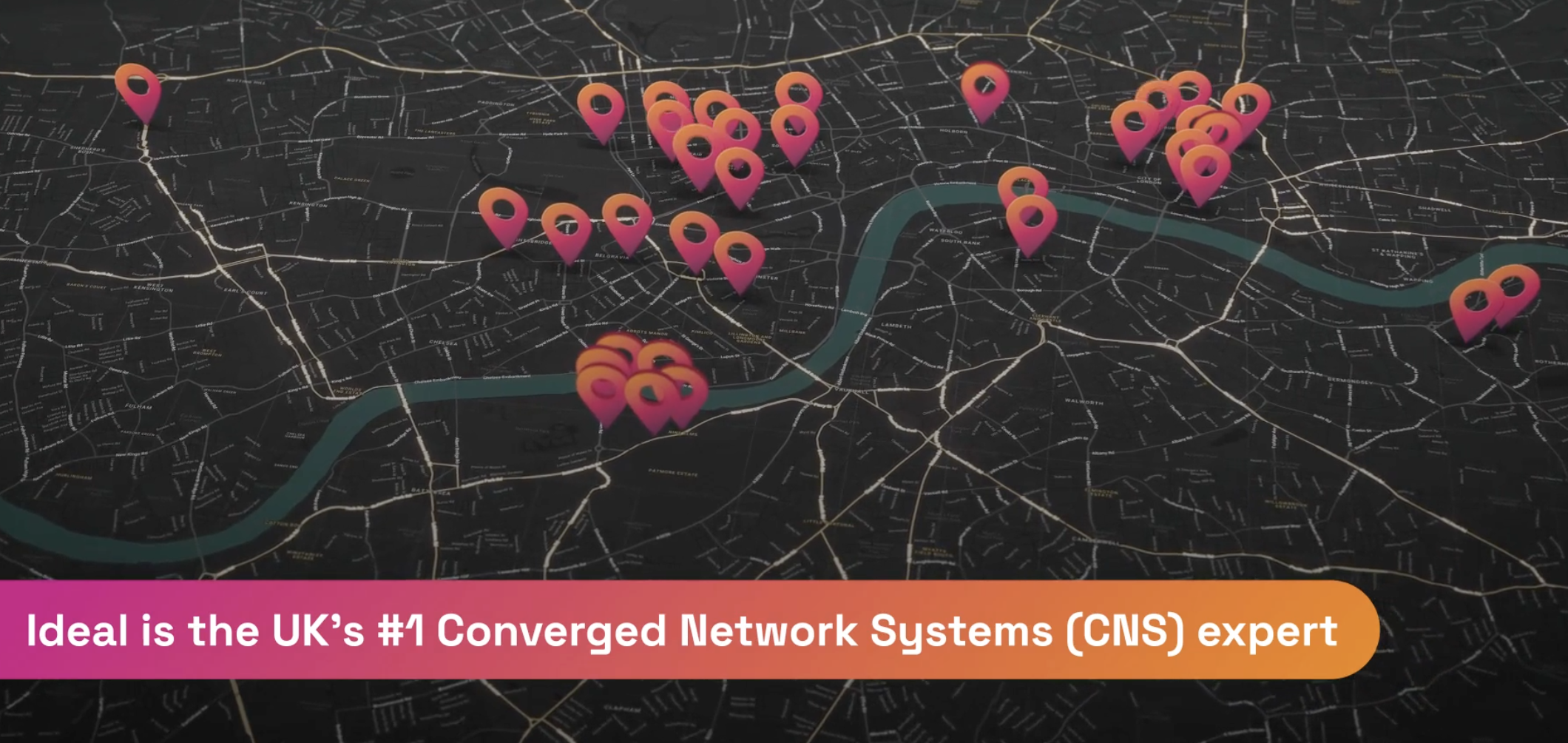
#1in Smart Buildings

Ideal is the UK’s #1 Converged Network System expert with vast experience across 40+ Smart Buildings (and counting).

360Preferred Partner

Ideal has been awarded Cisco 360 Preferred Partner Status and is recognised as an expert in 3X Powered Services.

“Having 24/7/365 Managed Services based in our offices makes for a cohesive response when it matters most for the customer.”

Highlight image Tracy Stairs
Service Delivery Manager

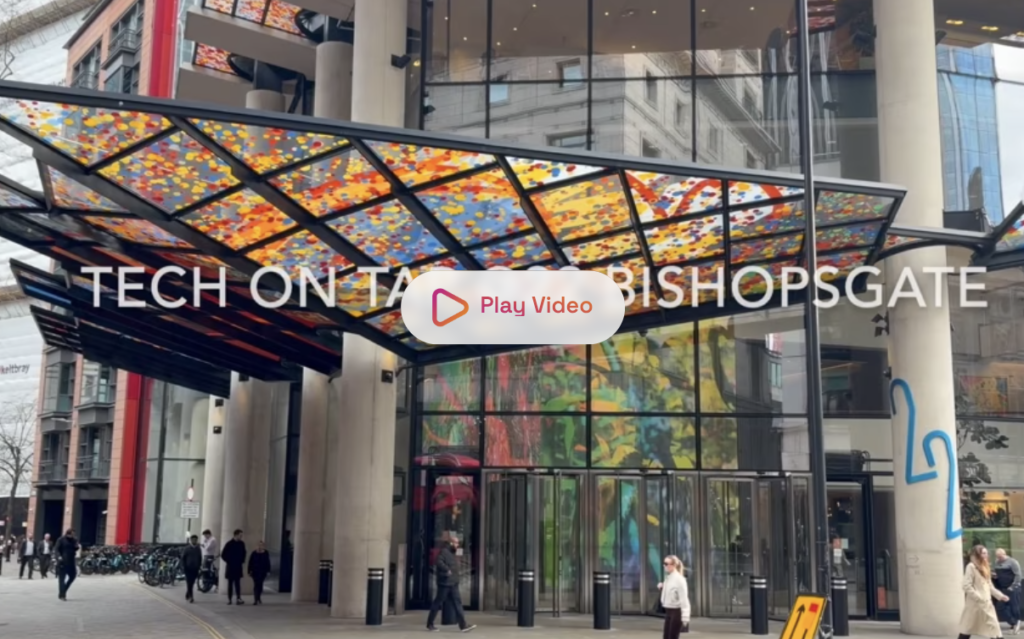
Tech on Tap at 22 Bishopsgate

22 Bishopsgate, where Tech on Tap @22 is held

Our latest Tech on Tap @ 22, hosted at our client, 22 Bishopsgate, was a fantastic success, with a diverse crowd from all kinds of backgrounds, sharing ideas and enjoying a lively evening.

Tech on Tap @ 22, hosted at our client, 22 Bishopsgate, is a brilliant forum where Ideal clients, vendors and associated consultants can meet for an informal chat and a drink.

Really well attended

Our latest Tech on Tap @22 was our best attended yet, with professionals from IT, Cyber Security, Facilities Management, Engineering, AI and Consultancy exchanging perspectives and getting to know one another.

A broad range of backgrounds

Attendees came from a broad range of backgrounds, reflecting Ideal’s extensive customer-base.

This included people involved in Smart Buildings, Commercial Building Management and Building Development; Public Sector professionals from the NHS, universities and colleges; IT Directors and engineers from financial services, retail, games and global public relations – to pick out just a few.

A lively buzz

This Tech on Tap @ 22 followed a SASE Strategy Round Table for CISOs CTOs and CSOs and a SASE Ultimate Test Drive workshop taking place at Palo Alto’s HQ on the 55th floor of 22 Bishopsgate, during the afternoon.

Our Tech on Tap event was scheduled to kick off at 5.30 but a few early birds got us started at 4.30 and the evening continued until after nine.

People enjoy the format

A few comments from attendees reflected a common theme:

“I don’t really come to events like this, as many of them are focused on presentations. It’s great to be surrounded by like-minded IT people without feeling sold to.”

“Really liked the opportunity to meet other tech professionals in a relaxed environment without a hard sales message.”

“I really loved being invited to an event to meet people from the company and other businesses without a sales focus. I found it really refreshing.”

“I thought it was a great idea to have a full day of events that had different focuses for different roles that also ended with a place to meet each other.”

If that sounds like the kind of event you might enjoy keep an eye out for our next Tech on Tap – in London or Brighton – coming soon.

Moving towards a smarter, data-driven workplace

Cisco's Smart Building Maturity Model

It all starts with your network

Smart Building capability is not exclusive to shiny new builds. If you want to create a better working environment as part of a retrofit plan, start with your network, argues Aaron Tunnicliff, Head of Pre-sales and Engineering at Ideal.

Where is your workplace currently sitting?

“If your vision is for a data-driven Future-Proofed Workplace where the office environment is optimised for occupancy comfort and efficiency and your people can securely work and collaborate from anywhere – you need to take the journey towards Smart.

“When Liz Helyer, Smart Buildings Solution Engineer at Cisco presented the Smart Building Maturity Model at Cisco Live! in Amsterdam, I realised that the same journey is equally as applicable to retro-fitting current spaces as it is to creating new ones.

“Where do you sit on the graph?

“Today, we find most organisations are still sitting at Stage 2 – ‘Managed’. That typically means:

✔ Smart tech deployed
✔ Multiple platforms live
❌ Still largely siloed
❌ Limited actionable intelligence

“How do you move you up the curve?”

Taking the step to Converged

“While everyone wants to be at Stage 4 – Data-Driven (and ultimately Autonomous), the reality is that the next step has to be Stage 3 — Converged.

“This is exactly where we focus at Ideal — bringing together IT, OT and IoT networks and the data they generate so that your workspace starts operating intelligently, not just digitally.

“A Converged Network System (CNS) enables this. By integrating your building management systems with Internet of Things devices like automated blinds and data and trends about occupancy and usage, your workspace can become adaptable to real needs and usage.

“This approach also makes it easier to apply modern cyber security solutions and drive towards more sustainable operations. Managed Services can proactively avoid interruptions,  monitor enterprise-wide performance and surface invaluable insights.”

Evolving to Data-Driven and beyond…

“Ultimately. convergence isn’t just about infrastructure. It’s about data convergence too.

“That’s where our (IRB) framework comes in — layering meaningful data onto a converged network so automation decisions are based on trusted, contextual insight.

“This enables:

👉 Connected data
👉 Context-rich insights
👉 Trusted inputs for automation

“Now you have a workspace where the blinds on the south side of the building automatically deploy because it knows the sun is brutal today. Where a meeting room refreshes air before 20 people join for an 11am meeting and again when they leave. Or turn it off if the meeting gets cancelled. Where collaboration monitoring enables you to reconfigure the size and availability of spaces to meet known demand.

“Now you have the intelligence you need to run a more efficient, comfortable and sustainable building for everyone.”

About the author

Aaron Tunnicliff is Head of Pre-sales and Engineering at Ideal, helping customers of all sizes to choose the right technological solutions for their current and future needs.

Aaron Tunnicliff

#1in Smart Buildings

Ideal is the UK’s #1 Converged Network System expert with vast experience across 40+ Smart Buildings (and counting).

360Preferred Partner

Ideal has been awarded Cisco 360 Preferred Partner Status and is recognised as an expert in 3X Powered Services.

Ideal has become a partner in the Lister Alliance, which is bringing together NHS Trusts, practitioners, industry and academia to reshape the future of healthcare technology and create better outcomes for patients.

Highlight image Ideal Healthcare